


Best Samsung Smartwatch in 2026: Which Galaxy Watch Should You Buy?

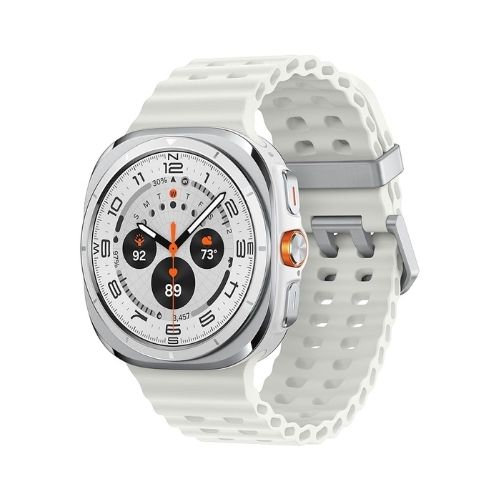
Samsung’s smartwatch lineup has never been stronger. Between the redesigned Galaxy Watch 8, the bezel-loving Galaxy Watch 8 Classic, the rugged Galaxy Watch Ultra, and the budget-friendly Galaxy Watch FE, there is genuinely a model for every wrist and every budget in 2026. If you are trying to figure out which one is right for you, this guide breaks down the full lineup, standout features, current Sri Lankan pricing, and who each model suits best.
Key Takeaways
- The Samsung Galaxy Watch 8 is the best all-rounder for most buyers, with a slimmer cushion-shaped case and Samsung’s brightest non-Ultra display yet.
- The Galaxy Watch 8 Classic brings back the fan-favorite rotating bezel and adds a new antioxidant index and vascular load sensor for deeper health insights.
- The Galaxy Watch Ultra is built for outdoor athletes, with a titanium case, a 590mAh battery for multi-day use, and altitude tracking up to 9,000 meters.
- The Galaxy Watch FE is the pick for anyone who wants core Galaxy Watch features without paying flagship prices.
- All current models run Wear OS with Google apps built in, so Maps, the Play Store, and Gemini AI come preinstalled.
- Peer-reviewed research shows wrist-based irregular rhythm detection now performs with roughly 95 percent sensitivity and 97 percent specificity, making health tracking on these watches genuinely clinically relevant, not just a marketing checkbox.
The Samsung Smartwatch Lineup in 2026
Samsung’s current wearable range covers four distinct watches, and each one is aimed at a different kind of buyer. Here is how they stack up.
Samsung Galaxy Watch 8: The Best All-Rounder
The Galaxy Watch 8 is Samsung’s redesigned mainstream smartwatch, and it is the easiest recommendation for most people. Samsung reshaped the case from the ground up, borrowing the cushion silhouette that debuted on the Watch Ultra, and the result is a watch that sits flatter against the wrist than older rectangular designs. At roughly 8.6mm thick and 30 grams for the 40mm version, it disappears on your wrist in a way earlier Galaxy Watches did not manage.
The display is a genuine upgrade too. Peak brightness now hits 3,000 nits, a jump of about 50 percent over the Watch 7, which makes a real difference when you are checking notifications outdoors. On the health side, the Watch 8 introduces Antioxidant Index tracking (a thumb scan that estimates skin carotenoid levels) alongside the returning heart rate, ECG, and sleep tracking suite. Paired with a Samsung phone, you also unlock AI-based Running Coach, irregular heart rhythm notifications, and snore detection.
In Sri Lanka, the Galaxy Watch 8 starts from around LKR 64,900, which puts it in direct competition with the older Galaxy Watch 6 and Galaxy Watch 5 lines that are still sold at a discount.
Who it is for: buyers who want the newest Samsung health features and a comfortable everyday design without stepping up to Classic or Ultra pricing.
Samsung Galaxy Watch 8 Classic: The Bezel Comeback
If you missed the rotating bezel that Samsung dropped from recent generations, the Galaxy Watch 8 Classic brings it back. It pairs the physical bezel with the new cushion-shaped case, a combination that gives the watch a more traditional feel while keeping the modern proportions. The Classic comes in a single 46mm size with a 1.34 inch display and the same 3,000 nit peak brightness as the standard Watch 8, and it currently retails from around LKR 87,900 in Sri Lanka.
Under the hood it uses the same 3nm Exynos W1000 chipset and BioActive sensor as the rest of the range, so health tracking accuracy is identical. What you are really paying for is the bezel itself, a more premium stainless steel build, and a slightly larger footprint that some buyers simply prefer over the standard model.
Who it is for: anyone who values physical, tactile navigation and a dressier look over the lighter standard model.
Samsung Galaxy Watch Ultra: Built for the Outdoors
The Galaxy Watch Ultra sits at the top of the lineup and is genuinely a different kind of device. Machined from Grade 4 titanium, it is built to survive far more abuse than a typical smartwatch. Samsung rates it for use anywhere from 500 meters below sea level to over 9,000 meters above it, and the 1.5 inch Sapphire Crystal display holds up at the same 3,000 nit brightness under direct sun.
Battery life is the other headline feature. At 590mAh, the Watch Ultra has the biggest battery in Samsung’s wearable lineup, comfortably supporting multi-day use even with GPS tracking turned on. It adds detailed GPS guidance with a Track Back feature to retrace your route, an Energy Score that reads your readiness from sleep and heart rate data, and Galaxy AI coaching for runs and rides. The most recent refresh added double the internal storage and a new blue titanium color option.
Who it is for: hikers, trail runners, divers, and anyone who needs a smartwatch that can genuinely keep pace with multi-day outdoor activity.
Samsung Galaxy Watch FE: Budget-Friendly and Still Capable
The Galaxy Watch FE (Fan Edition) is Samsung’s value pick, built on the older Galaxy Watch 4 platform but still running the latest One UI Watch software. It has a smaller 1.2 inch display, a 247mAh battery, and 16GB of storage, so it is not chasing flagship specs. What it does offer is the core Galaxy Watch experience, heart rate monitoring, ECG, sleep tracking, and Samsung Pay, at a noticeably lower price point.
Who it is for: first-time smartwatch buyers or anyone who wants Samsung’s ecosystem without paying for the newest sensors.
Older Galaxy Watch Generations Still Worth Considering
If your budget is tighter, Samsung’s previous generations remain genuinely good watches and are usually discounted once a new lineup lands. The Galaxy Watch 6 44mm and Galaxy Watch 6 40mm offer the returning rotating bezel design on the Classic variant, sleep coaching, and a slimmer profile than earlier Galaxy Watches. For buyers who specifically want the largest battery and the most complete BioActive sensor suite at a lower price than the Ultra, the Galaxy Watch 5 Pro 45mm is still a strong option, built around a titanium case with a 590mAh battery, the same capacity found in the newer Ultra models. The standard Galaxy Watch 5 44mm and Galaxy Watch 5 40mm remain a sensible entry point if you mainly want reliable fitness tracking without paying flagship prices.
Which Samsung Smartwatch Should You Buy?
| If you want… | Choose |
|---|---|
| The best all-round value and features | Galaxy Watch 8 |
| A rotating bezel and dressier design | Galaxy Watch 8 Classic |
| Maximum battery life and rugged durability | Galaxy Watch Ultra |
| The lowest price with core features | Galaxy Watch FE |
| A discounted flagship experience from last year | Galaxy Watch 6 or Galaxy Watch 5 Pro |
For most buyers browsing xmobile.lk’s Samsung smartwatch collection, the Galaxy Watch 8 hits the sweet spot between price and features. If your budget stretches further, or you spend serious time outdoors, the Watch Ultra is worth the upgrade.
How Samsung’s Health Tracking Actually Works
Every current Galaxy Watch uses Samsung’s BioActive Sensor, which combines an optical heart rate sensor, an electrical heart sensor for ECG readings, and a bioelectrical impedance sensor for body composition. Together these power a handful of features that go well beyond step counting:
- Irregular Heart Rhythm Notification flags patterns consistent with atrial fibrillation using continuous background monitoring.
- Energy Score blends sleep quality, heart rate variability, and prior day activity into a single readiness number each morning.
- Antioxidant Index (Watch 8 and Watch 8 Classic only) scans your thumb to estimate skin carotenoid levels, an indirect marker of fruit and vegetable intake.
- Sleep Coaching analyzes your sleep stages over time and offers specific, personalized suggestions rather than just a nightly score.
These features work best when the watch is paired with a Samsung phone, since some AI-driven insights rely on Samsung Health running on One UI.
Did You Know?
A systematic review and meta-analysis covering more than 17,000 patients found that wrist-worn devices detect irregular heart rhythms with around 95 percent sensitivity and 97 percent specificity when compared against clinical-grade monitoring, according to research published in JACC: Advances. That level of accuracy is a big part of why Samsung, alongside Apple and Fitbit, has been able to secure regulatory clearance for irregular rhythm notifications on its watches.
How We Chose These Picks
Every model in this guide was evaluated on the same core criteria: display quality and brightness, battery life relative to size, the depth and accuracy of health sensors, build durability, and value for money at current pricing in Sri Lanka. Samsung’s watches all run on Wear OS with One UI Watch layered on top, which means the software experience, including Google Maps, the Play Store, and Gemini AI, is consistent across the lineup. You can read more about the underlying Wear OS platform if you want to understand what all four watches share in common.
Frequently Asked Questions
Which is the best Samsung smartwatch overall in 2026? The Samsung Galaxy Watch 8 is the best overall pick for most buyers, offering the newest display, sensors, and design at a more accessible price than the Classic or Ultra models.
Is the Galaxy Watch 8 Classic worth the extra cost over the standard Watch 8? Only if you specifically want the rotating bezel and a more premium stainless steel build. The health sensors and chipset are identical to the standard Watch 8, so the Classic is a design and materials upgrade rather than a performance one.
How long does the Galaxy Watch Ultra’s battery last? The Galaxy Watch Ultra uses a 590mAh battery, the largest in Samsung’s current lineup, and is built for multi-day use even with GPS tracking active.
Do Samsung smartwatches work with iPhones? No. Galaxy Watches require an Android phone for setup and full functionality, since they rely on the Samsung Wearable and Galaxy Wearable apps, which are not available for iOS.
What is the Antioxidant Index feature on the Galaxy Watch 8? It is a new sensor feature that scans your thumb to estimate skin carotenoid levels, offering an indirect indicator of antioxidant intake from fruits and vegetables.
Is the Galaxy Watch FE a good choice in 2026? Yes, for buyers on a budget. It is built on older hardware, so it lacks the newest sensors like the Antioxidant Index, but it still delivers reliable heart rate tracking, ECG, sleep tracking, and Samsung Pay at a lower price.
Are older models like the Galaxy Watch 6 or Galaxy Watch 5 Pro still worth buying? Yes. Both remain capable watches, and since Samsung has moved on to the Watch 8 generation, models like the Galaxy Watch 6 44mm and Galaxy Watch 5 Pro 45mm are often available at a lower price while still covering the essentials.
Where can I buy a genuine Samsung Galaxy Watch in Sri Lanka? You can browse the full range, including current pricing and availability, on xmobile.lk’s Samsung smart watch page.